
What to Say When Someone Loses a Pet:
Comforting Words That Truly Help
Finding the right words when someone loses a pet can feel impossible. You want to comfort them, but you don’t want to say the wrong thing. You want to reach out, but you’re not sure how to honor the weight of their grief without stepping into spaces that aren’t yours to enter.
This guide exists for those moments—to help you show up with empathy, speak from the heart, and support your loved ones when their world has shifted. Because the truth is, people don’t forget who showed up for them during the hardest moments—and silence, even if well-meaning, can sometimes hurt more than fumbling words.
Grief doesn’t always look the way you expect. It’s not always tears and sorrow. It can be quiet. Withdrawn. Angry. Detached. Someone grieving the loss of their pet may not know how to express what they feel, or they might not even know what they feel. That’s okay. Your job isn’t to diagnose or direct—it’s to gently support.
What Not to Say When Someone Loses a Pet
Even well-intentioned words can land with a thud in the hollow space grief leaves behind. Here are some phrases to avoid:
“He was just a dog.” (Minimizes their pain)
“You can get another one.” (Suggests their pet is replaceable)
“At least he lived a long life.” (Dismisses current emotions)
“Everything happens for a reason.” (Overly philosophical too soon)
“I know how you feel.” (Unless you’ve truly walked their path, this can feel dismissive)
Sometimes even asking too many questions like, “What happened?” or “Did you have to put them down?” can unintentionally re-traumatize someone who is already raw. If they want to share, they will.
Also, avoid comparing their grief to your own losses unless they ask you to share. Their pain deserves the spotlight. This isn’t the time to shift the conversation away from their loss.
Instead of trying to fix or explain, make space. Validation is more healing than explanation.

What To Say Instead
Here are some gentle, copy-and-paste examples of what you might say, text, or write in a card:
Texts You Can Send:
“Just wanted you to know I’m thinking of you. I know how much [pet’s name] meant to you.”
“Sending love today. No need to reply. I just didn’t want the day to go by without saying I see your grief.”
“You don’t have to say anything. Just know that I’m here, whenever and however you need.”
“I saw a dog today that looked like [pet’s name]. Made me think of you both. Holding you in my heart.”
Card or Message Ideas:
“Your love for [pet’s name] was so beautiful. I hope that love wraps around you now.”
“There are no words that will take away the ache—but I hope knowing you’re not alone brings a little comfort.”
“Grieving a pet is grieving a best friend, a soul companion. Please be gentle with yourself.”
“In memory of [pet’s name], who brought so much joy to the world—and especially to you.”
These messages aren’t meant to fix anything. They’re simply meant to remind someone that they are seen, their love was real, and their grief is honored. Simple, sincere words often land best. Try:
“I’m so sorry. I know how much they meant to you.”
“Your bond was beautiful. I’m heartbroken for you.”
“They were deeply loved. And that love mattered.”
“I’m here. No pressure to respond. Just holding space.”
Other small but powerful offerings:
“I lit a candle for [pet’s name] tonight.”
“I miss them too.”
“You gave them a beautiful life. They knew they were loved.”
And when you’re unsure what to say, saying that is okay too:
“I don’t know what to say. But I’m here and I care.”
Grief doesn’t need polished words. It needs presence.
Your presence tells them they’re not alone. That you recognize the depth of their love—and the weight of their loss.
Respect Their Space and Pain
Not everyone wants to talk. Some want silence. Others want distraction. Grief is a deeply personal journey, and the best thing you can do is let them guide their own process.
Let them set the tone. If they want to talk, listen without trying to steer the conversation. If they go quiet, sit quietly. If they need to be alone, honor that. Your presence doesn’t have to be loud to be meaningful.
Don’t press them for details or timelines:
Avoid questions like “Are you going to get another one?”
Don’t push for stories about what happened unless they offer them
Instead, give permission for distance:
“No need to reply, just wanted you to know I’m thinking of you.”
“I know this may not be the time to talk, but I’m here whenever you need.”
“I won’t check in again unless you ask, but I’m always just a text away.”
Let them know it’s okay to grieve out loud—or in silence.
Privacy is a form of grace. Honor it.
If They Had to Say Goodbye: You Replaced Their Pain With Your Own
One of the most soul-wrenching experiences a pet parent can go through is making the decision to end their companion’s suffering. If someone you know had to put their pet to sleep, this adds another layer to their grief: guilt, doubt, and the unbearable weight of the final choice.
When you speak to someone who had to make that decision, remember this truth:
“You didn’t give up on them. You gave them peace. You didn’t abandon them. You stayed, even when it broke you. You replaced their pain with your own.”
What to say:
“You gave them the most selfless gift. You took on the pain so they didn’t have to.”
“They weren’t alone. You were there. They knew they were loved until the very last moment.”
“Making that decision is the final act of love—and it’s the hardest thing a heart can do.”
“I can’t imagine how hard that must have been. I’m so sorry. You did the right thing.”
Sometimes, that moment haunts people far more than they admit. Quietly letting them know that they were brave, that their choice was loving, and that their pain is valid—this can be more healing than you’ll ever realize.
What You Can Do (When Words Fall Short)
Often, actions say more than sympathy notes ever could. Consider:
Sending a handwritten card or letter
Dropping off a small meal, coffee, or favorite snack
Leaving flowers or a comfort basket at their door
Donating to a local rescue or shelter in the pet’s name
Creating or gifting a PRAI Stories™ tribute to celebrate their life
Sharing your favorite memory of their pet if you knew them personally
You can also:
Help with small tasks (groceries, walking their other pet, etc.)
Create a photo collage or digital memorial
Organize a tribute with friends if the pet was part of a broader community (dog park, etc.)
Sometimes just showing up—without fanfare or expectation—is the greatest gift you can give. Offer support without needing to be seen giving it.
And remember: support doesn’t have to be immediate. Sometimes the most meaningful acts happen a week, a month, even a year after the loss—when everyone else has stopped asking, but the pain still lingers.
“Grief is not a problem to solve. It is a space to sit in together.”
Creative Ways to Offer Comfort
Create a digital slideshow using favorite pictures or videos of the pet
Frame a quote about loss or love and leave it on their doorstep
Organize a memory circle where friends share stories of the pet
Gift a keepsake like a custom paw print necklace, personalized ornament, or garden stone
Include kids by inviting them to draw pictures or write letters to the pet
These efforts create a shared sense of remembrance and give shape to what otherwise feels invisible: the loss of a beautiful life.
You Don’t Have to Say Much—But Say Something
Too often, people are afraid to reach out because they worry about saying the wrong thing. And while caution is wise, silence can leave a grieving person feeling unseen.
You don’t have to offer perfect words. Just real ones. From the heart. Even a simple text that says:
“I saw a photo of a dog today that reminded me of [pet’s name]. Sending love.”
Or:
“Thinking of you today. I know how much you loved them.”
These words linger. They say: I remember. I care. I haven’t forgotten.
If you’re ever unsure what to say when someone loses a pet, choose presence over poetry. Choose empathy over advice. And if all you can offer is your heart—that’s more than enough.
Keep Showing Up
Grief doesn’t have an expiration date. If someone you love has lost a pet, remember to check in on them long after the flowers have wilted and the inbox is quiet.
Send a message on the anniversary of the pet’s passing
Tag them in a photo or memory of the pet
Ask, months later: “What do you miss most about them?”
These tiny moments of remembrance are like emotional oxygen for someone still aching inside.
Mantra: “Comfort doesn’t always come from the perfect thing to say. Sometimes it comes from simply being there and saying nothing at all.”
If someone you love is grieving the loss of a pet, consider gifting them a PRAI Stories™ tribute or inviting them to download When the Leash is Empty, a free grief companion written for moments like this.
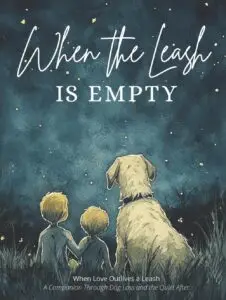
If your heart is still heavy with grief, please consider one of our Grief Companions — gentle reflections and stories to help you heal. A portion of every sale is donated to support Rescued by Rembrandt and its mission to help rescue animals find their forever homes.
Fact or Myth?
For centuries, the black dog — and the black cat — have carried the weight of superstition.
They’ve been whispered about in folklore as omens of death or misfortune, their presence casting long shadows across crossroads, moors, and hearts alike.
Let's Rewrite the Myth
But maybe those stories were never about fear.
Maybe they were about power.
Here at Rescued by Rembrandt, we see something different — something sacred.
Their dark coats don’t carry darkness; they absorb it.
Like living obsidian, they guard against what others cannot see — diffusing negative energy, softening sorrow, and standing quietly between us and the unseen.
They are not cursed.
They are called.
The black dog and cat are not bad luck — they are our spiritual warriors, cloaked in shadow so we might stand in the light.